


Hooks On Ticks
Description
This section is from the book "The Science And Art Of Phrase-Making", by David Wolfe Brown. Also available from Amazon: The science and art of phrase-making.
Hooks On Ticks
234. According to Mr. Graham, each of the several tick word-signs may take an initial or a final hook (in some cases both), as follows:
An l hook to add will or all, as who will

of all

and will or and all

An r hook to add are or our, as but are or but our

of our

An f-v hook to add have or of, as to have

or of

but have

An n hook to add not or own, as or not

of our
own

on our own

Though in some of these cases these hooks may have two or three meanings, the context is relied on to supply the necessary distinction.
Exercise
235. In each of the following phrases, l hook is to be prefixed to a tick word-sign to add will or all:


*Written on the line, according to the principle embodied in Para-graph 198.
of all on all

should all (should downward to all who will
Exercise
236. In each of the following phrases, r hook is to be prefixed to a tick word-sign to add are, our or or:

but our
of our
on or about (on downward )
on or before (Graham sign for before)
on or near
on our (on downward)

ought our should our (should downward) to our who are
Exercise
237. In the following phrases, the f-v hook is affixed to tick word-signs to add have or of:


should have (should downward) to have *who have
Exercise
238. In each of the following phrases, n hook is affixed to a tick word-sign to add not or own:
and our own but are not
but not
but our own
*This is one of the few cases in which the Benn Pitman system attaches a hook to a tick word-sign.
of our own on our own or not
or will not ought not who will not
239. To several of the tick word-signs, what and would may, according to Mr. Graham, be added thus: and
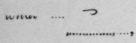
and would

of what

on what

to what

Exercise
240. In the following phrases, what or would is affixed to the tick word-signs all, and, of, on, to:
all would all would say and what and what did you and what say you and what was he and would and would ask and would do and would say
of what of what avail of what benefit of what necessity on what account (on upward) on what assumption to what matter to what motion to what portion
Continue to:


My Books

