


Basil
Description
This section is from "The American Cyclopaedia", by George Ripley And Charles A. Dana. Also available from Amazon: The New American Cyclopædia. 16 volumes complete..
Basil
Basil, a name applied to various odoriferous labiates, but especially to the genus ocymum. The species of this genus number about 40, and are chiefly indigenous to the East Indies, where some species are regarded with superstitious veneration from their supposed power as disinfectants. Basil has been cultivated in many parts of Europe and America as a garden herb, useful in cooking for flavoring. In Madagascar the roots are eaten. A few species have conspicuous purplish flowers and variegated foliage, and find a place in cultivation among ornamental plants; but these are exceptions, and although the genus is closely allied to coleu8, well known for its rich foliage, the species are usually recommended by their odor and not by their appearance. All the specie are easily cultivated from seed, and most of them are half hardy in the latitude of Boston.
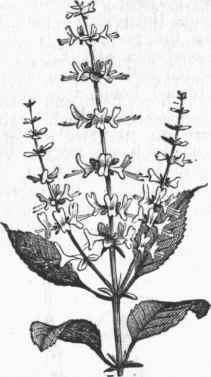
Sweet Basil (Ocymum basilicum).
Basil #1
Basil, a Bulgarian monk and physician, founder of a religious sect called Bogomiles (Slavic Bog, God, and mihti, have mercy), burnt alive in Constantinople in 1118. His followers believed that before the birth of Christ God had a son Satanael, who revolted, seduced the angels, created the visible universe, and gave the Mosaic law, and that Christ had the mission to destroy the power of Satanael by consigning him to hell under the name of Satan. Basil repudiated marriage, favoring a free intercourse of the sexes, rejected the doctrine of the resurrection, the books of Moses, and the eucharist, abolished baptism, characterized churches as devilish, denounced priests and monks, and would not recognize any liturgy but the Lord's prayer. He condemned all cruelty to animals, and objected to the eating of meat and eggs. In 1111 the emperor Alexis Comnenus convened a synod for the condemnation of the Bogomiles; and entrapping Basil, as their chief leader, into making a confession of his faith, he convened a second synod (1118), calling upon him to retract; but he remained firm, expecting, even while the flames surrounded him, that angels would come to his rescue.
See Engelhardt, Kirchengeschichtliche Abhandlun-gen (Erlangen, 1832).
Continue to:


My Books

