


Automatic Lubricating Cup
Description
This section is from the book "Handy Man's Workshop And Laboratory", by A. Russell Bond. Also available from Amazon: Handy Man's Workshop And Laboratory.
Automatic Lubricating Cup
In lubricating the reciprocating: parts of vertical engines, there is considerable waste of oil, and the lamp wick dangling from the end of the oil pipe forms a collector of dust and grit, which is carried to the bearings. The waste of oil is due principally to the fact that when the engine stops the oil still continues feeding, and drops into the crank pit rather than into the oil cup.
Much of this can be avoided by the use of an oil cup such as shown in the accompanying sketch. It consists of a cup of the usual shape having inside a mushroom-shaped valve B, which is ground to a tight seat at E. The stem D passes through a clearance hole C, in the bottom of the cup. When the cup is filled with oil, the mushroom valve prevents its flow as long as the engine is at rest.
The cup is placed directly over the oil cup which is to receive the oil, and which moves in a vertical direction. By means of adjusting screws its height is so arranged that the stem of the valve is raised slightly as the oil cup comes to the top, thus allowing a small amount of oil to pass inside the valve and flow down the stem. The receiving cup should be filled with horsehair, to rub off the necessary oil from the stem.
The oil flows only when the engine runs, and in proportion to the speed of the engine.
No time is lost nor oil wasted in shutting off the supply when the engines are stopped, and the stem can be easily wiped clean.
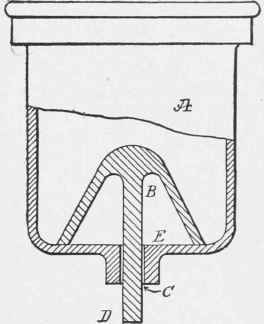
Fig. 156 - An automatic lubricating cup.
This cup could be used on horizontal engines by a slight modification of the stem; but on vertical marine engines, as on tugs, where the engine is run intermittently, the writer has seen it do good service and save many times its cost in oil, labor, and hot bearings.
Continue to:


My Books

