


Hot-Water Radiators
Description
This section is from the book "Mechanics Of The Household", by E. S. Keene. Also available from Amazon: Mechanics Of The Household.
Hot-Water Radiators
Radiators for hot-water heating are most commonly of cast iron and in appearance are the same as those used for steam heating. The only difference in the two forms is in the openings between the sections. Those intended for steam have an opening at the bottom joining the sections; while those for hot water have openings at both top and bottom to permit circulation of the water.
Hot-Water Radiator Valves
Valves for hot-water radiators differ materially from those used on steam radiators. Figs. 43
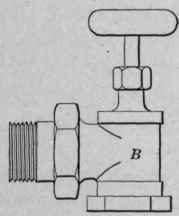
Fig. 43. - The hot-water radiator valve.
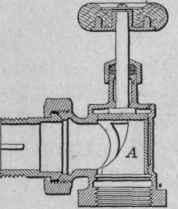
Fig. 43a. - Details of construction of the hot-water radiator valve.
and 43a show the outside appearance and the mechanical arrangement of the parts of the Ohio hot-water valve. The part A in Fig. 43a is a hollow brass cylinder attached to the valve-stem, one side of which has been removed. When it is desired to shut off the supply of heat the handle of the valve is given one-quarter turn and the part A covers the opening to the inlet pipe. The supply of water being shut off, the radiator gradually cools. When the valve is closed a small amount of water is admitted to the radiator through a 1/8 -inch hole in the piece A to prevent the possibility of freezing.
Continue to:


My Books

