


X. General Precautions. 63. Covering Floors
Description
This section is from the "Safety In Building Construction" book, by The Travelers Insurance Company Hartford, Connecticut. Also see Amazon: Safety In Building Construction.
X. General Precautions. 63. Covering Floors
All openings in the floors should be either planked over, or substantially guarded with fences or with rails and toe-boards; and the unauthorized removal of planks that have been laid down to cover up openings should be absolutely prevented. It is of course necessary at times for subcontractors' gangs to remove temporary flooring and guard-rails, but they should be required to replace every such safeguard as soon as the exigencies of the work will permit. Unfortunately, the workmen on construction jobs usually have but little regard for this precaution, and they often remove protective planks and put them to other uses, as soon as the safety-inspectors go to another floor. They do this, not maliciously, but merely because they do not understand the paramount importance of keeping the openings covered over.
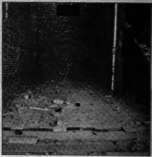
Fig. 87. Protective Plank Flooring in a Ventilating Shaft.
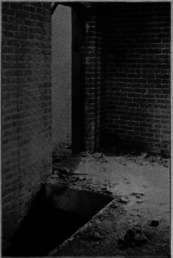
Fig. 88. A Dangerous Floor-opening.
It is essential not only to cover up large openings in this way, but also to fill in small apertures about (A workman fell into the shaftway at this point, and was killed.] columns, and all other similar places. Fragments of bricks, small pieces of board, tools, and other objects frequently fall through such openings and strike the men below. For this reason, also, the planks used for temporary flooring must be laid closely together, so that no small objects can fall between them. (See also paragraph 51).
Fig. 89. An Accident-source that is Frequently Overlooked.
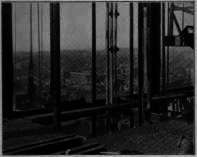
Fig. 90. An Unguarded Elevator Shaftway.
In construction work the floor arches should be laid as soon as possible after the steelwork has been set, and should be kept within two floors of the derricks, whenever feasible. If it is not practicable to do this, the second floor below the erecting floor should be entirely planked over. One system that has been tried with marked success consists in completely planking over the erecting floor and the second floor under it, and shifting the lower of these two floors to the top every time the derricks are raised, so that it becomes, in its turn, the erecting floor. By this means all the men on the lower levels are protected, at all times, by at least one complete floor of planking, regardless of the operations that may be going on upon the erecting floor. It might be thought that the procedure here suggested would be a source of considerable expense, but experience shows that such is not the case. It saves a great deal of time for the steel contractor's men, by giving them a good flooring upon which to work at their bolting and riveting operations while the next tier of beams is being placed; and the gain that is effected in this way should more than offset the cost of providing and handling the extra lumber.

Fig. 91. Approved Guard-rails for Permanent Elevator shaftways and other similar openings.
It is particularly important that the floors on which the derricks stand should always be planked over solidly, because men are traveling about upon these floors constantly, and tools and materials are specially likely to be dropped upon the other workmen below. In planking a floor, no matter for how short a time, special care should be taken to see that none of the planks are placed so that they can be tipped by stepping upon their ends. Planks so set are often called "traps," and they have brought death or serious injury to many persons. (See also paragraph 51).
Continue to:


My Books

