


The Nursing Bottle
Description
This section is from the book "Practical Dietetics: With Reference To Diet In Disease", by Alida Frances Pattee. Also available from Amazon: Practical Dietetics: With Reference to Diet in Disease.
The Nursing Bottle
The tube bottles should never, under any consideration, be used. No matter how carefully these tubes and outfits are washed, small particles of milk will remain in the tiny crevices and cause inflammation of the intestines.
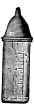
Select the plain, graduated cell, without neck, wide-mouthed, covered with breast-nipple. Such a bottle can be thoroughly and easily cleaned. These requirements are met by the Hygeia nursing bottle.
When filled, the bottles are corked with non-absorbent cotton.1 They are plugged loosely, so that the steam may escape, if the milk is pasteurized in the bottles before putting into the refrigerator, as is necessary when the quality of the milk is unknown or when refrigeration is lacking. Before feeding, the bottle of milk is warmed to 105° F. ( 40.5° C), so that the milk may not chill the stomach of the infant, and thereby suspend digestive processes. After the nursing, the bottle should be carefully rinsed with cold water, then bottle and nipple washed with a suds of soap and water. Rinse, boil in clear borax water for twenty minutes (nipples for two or three minutes), and set away in a porcelain dish filled with boric acid solution, one teaspoonful to a quart of water, or they may be emptied and filled with a plug of sterilized baked absorbent cotton, and will remain sterile until ready to use.
The twenty-four-hour supply should be prepared at one time. For removing the milk from the bottle a dipper is most satisfactory, as the cream is not disturbed. A siphon may also be used. The milk sugar to be added should be dissolved in a little boiling water and strained. A bottle of sterile water should be at hand for diluting the milk. The proper number of bottles for the day's feedings (previously sterilized) should be each filled with the prescribed amount, stoppered and put in the refrigerator, or if necessary, pasteurized and then quickly cooled.
1 To cork the Hygeia bottle, a sterilizer cap is used to cover the cell. The cap has a small opening, which is corked with non-absorbing cotton. These caps are on sale by druggists.
Continue to:


My Books

