


Potassae Bisulphas. Lond. Bisulphate of Potassa
Description
This section is from the book "The London Dispensatory", by Anthony Todd Thomson. Also available from Amazon: PDR: Physicians Desk Reference.
Potassae Bisulphas. Lond. Bisulphate of Potassa
"Take of the salt which remains after the distillation of „ the nitric acid, two pounds; sulphuric acid, one pound; boiling water, six pints. Dissolve the salt in the water, and add the acid to it, and mix. Lastly, boil the solution, and set it aside to crystallize."
Potassae Bisulphas, Dub. Bisulphate of Potassa.
"Take of the sulphuric acid of commerce, two parts; common carbonate of potassa, a sufficient quantity; water, six parts. Mix one part of the sulphuric acid with the water, and saturate it with the carbonate of potassa; then add the other part of the sulphuric acid, and evaporate the fluid until crystals form on cooling."
This salt is the sal enixum of commerce. The solution should not be filtered until it be cold, as a copious deposition of uncrystallized salt takes place when it is filtered while hot. When it is dissolved in water, and allowed to crystallize, it is often converted into sulphate and sesquisulphate of potassa, on which account the London College has ordered the addition of the sulphuric acid.
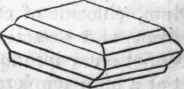
Qualities.-Its crystals, which are rhombic prisms, impress a sour and slightly bitter taste; and contain from 12 to 13 per cent, of water. It reddens the vegetable blues; is soluble in two parts of water at 60°; in less than an equal weight of boiling water; and effervesces with the carbonates of alkalies. The proportions of its constituents are stated to be, of potassa 32.87, acid 54.80, and water 12.33, in 100 parts; or 2 eq. of sulphuric acid = 80.2 + 1 of potassa =47.15 + 2 water = 18, making the equivalent 145.55. When exposed to a red heat, the water of crystallization and half the acid are expelled, and simple sulphate of potassa remains.
Medical use. - As a remedy its efficacy is as yet unknown; but we are informed 1 that it has been introduced into the
1 Powel's Translation of the London Pharmacopoeia, 2d edit. 73.
Pharmacopoeia from an idea that it will afford "a useful means of producing the effects of sulphuric acid combined with those of purgative salt; and that it may be exhibited at once in a solid form, an indication which is often desirable." Dr. Paris says1, it forms a grateful adjunct to rhubarb. The dose is from grs. x. to 3 ij. exhibited in combination with infusion of some bitter or rhubarb.
Continue to:


My Books

