


Hairpin Work. Continued
Description
This section is from "Every Woman's Encyclopaedia". Also available from Amazon: Every Woman's Encyclopaedia.
Hairpin Work. Continued
Another pattern is the "double" hairpin stitch, which varies from the "ordinary" stitch by working two double crochet stitches into the left-hand loop, as depicted in Fig. 3, working one stitch immediately after the other.
A favourite variation of the "double" stitch is produced by working the two double crochet stitches below the left loop, instead of through it. The effect of doing so is to cause the loops, when removed from the hairpin-fork, to slant upwards.
"Tree" Design
The "tree," or "six-stitch," design, shown in Fig. 4, is very effective and substantial, and by no means so complicated as it appears. Done in crochet cotton it makes a pretty and strong insertion for children's underlinen. Begin as with the "ordinary" hairpin stitch. Having secured the two loops, one on either prong, put the hook through the left loop, and draw the thread through, pass thread over hook, and again put the hook through the same loop, and draw the thread through. Pass thread over hook, and draw thread through the loop for the third time. Take up the thread on the hook, and draw it through the six stitches on the hook. The work at this point is shown in the photograph.
work
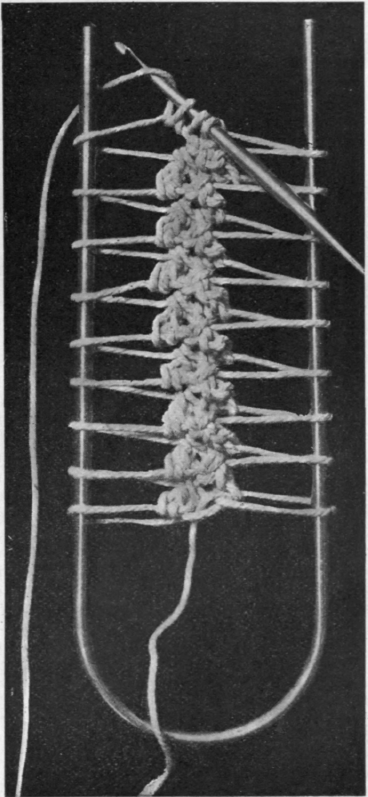
Fig. 2. "Treble" hairpin stitch, giving a substantial centre to the
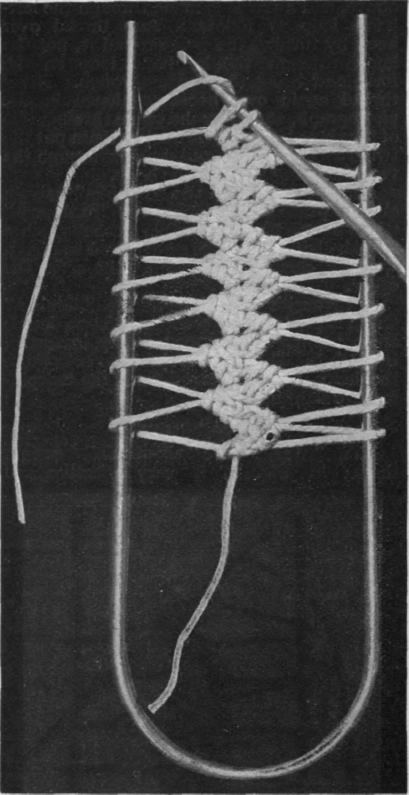
Fig. 3. "Double" hairpin stitch, in which two double crochet are worked in the left hand loop
Turn the fork, and secure the loop on the other prong in the usual way.
A Useful Variation
The "bar" stitch (Fig. 5) is a useful and simple variety of the "ordinary" hairpin stitch. Chains are worked between the double stitches, so as to form bars through which ribbon or black velvet may be threaded.
The bar consists of three chain stitches, which are worked before the single or double crochet into the left loop. Having made the double crochet, turn the fork to obtain the right loop in the ordinary way, and work a stitch through the loop on the hook. Crochet three chain, make a double into the left loop, and again turn the fork.
Any number of chain stitches may be made to accommodate the width of the ribbon or velvet intended to be used, but the fork should correspond in width, otherwise the loops would be comparatively small.
The bars may be brought closer together by crocheting a single stitch straight through the left loop and through the loop on the hook, instead of making a double crochet.
Somewhat like the "bar" stitch, but with the chains forming the bars sloping up to the left, and giving an open-work effect, is a stitch made in the following manner. After fixing the two first loops on the fork, make a treble in the left loop, crochet four chain, and work another treble in the left loop; turn the fork, and secure with a stitch as before; work a treble in the left loop, and continue with the four chain.
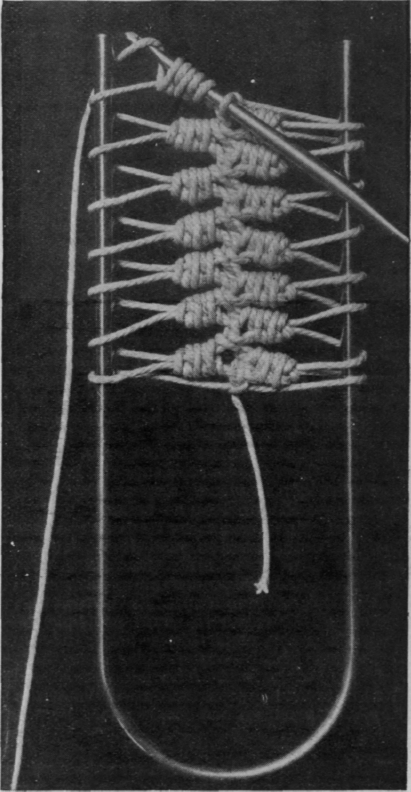
Fig 4. "Tree," or "six-stitch," is an effective design for insertion
Needlework stitch
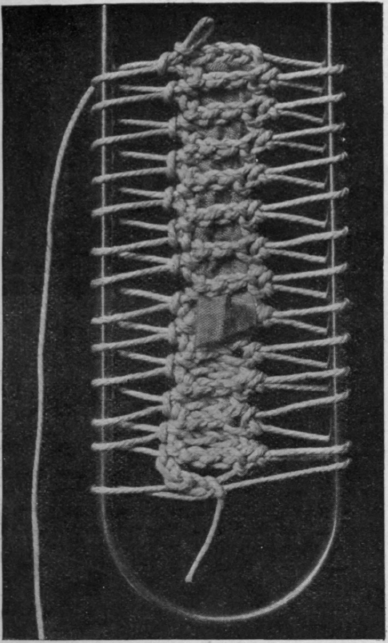
Fig. 5. "Bar" stitch. A simple variation of the ordinary hairpin
Ribbon
Worked in light thread, with scarlet ribbon threaded through the bars, it would be difficult to find a more pleasing contrast.
There is, however, another pretty openwork effect to be secured by crocheting a treble below the left loop, then crocheting three chain, again working a treble below the left loop, and, lastly, turning the fork and securing the right loop.
This stitch is shown in Fig. 6, where the work has been removed from the fork. Notice the tendency of the loops to point upwards, for the reason previously explained.
Having experimented with the stitches described, the worker will, in all probability, be able to form combinations on her own account.
Worked in macrame twine the same stitch is to be recommended for making a durable and strong marketing or shopping bag, the strips of hairpin work being joined together in one of the ways to be described in a future article. Both pale green and light brown are favourite colours for the twine used in making a bag of this description. A coloured braid or tape might with good effect be run though the openwork of this stitch, brought, say, up through the opening to the left, and carried down through the one on the right. However, the worker may prefer to make a bag, and line it with some coloured material such as pink or scarlet sateen, and then the open-work should be left unthreaded to show the patches of colour.
A wide strip of hairpin gimp worked in white Ososilkie and with one of the more elaborate stitches might well be utilised for trimming a child's dress of some dark material such as black velveteen, and it would, of course, look charming on white silk or muslin.
The hairpin stitches here shown have been worked in macrame twine to show up the details as clearly as possible, though, at the same time, something of the lacy appearance of work done with fine crochet cotton has, of necessity, been sacrificed. It may be advisable to point out that the shorter the loops, the greater the care needed in handling the work as it is withdrawn from the fork. It should be kept wound until it is about to be used, otherwise such short loops are apt to get out of place.
the left loop
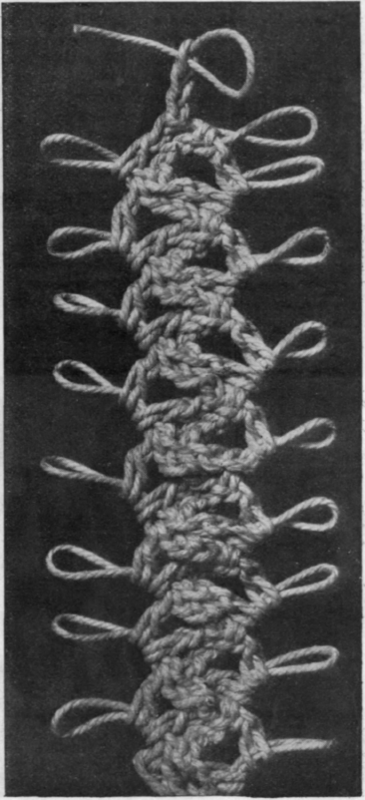
Fig. 6. An openwork effect obtained by crocheting a treble below
Continue to:


My Books

