


Structural Elements
Description
This section is from the book "A Manual Of Home-Making", by Martha Van Rensselaer. Also available from Amazon: A Manual of Home-Making.
Structural Elements
The windows of a dwelling, whether grouped or single, . should be similar in style and should show some kind of orderly arrangement. In general, unity of design is preserved if the tops of all windows on a floor are kept on the same level. Variations in window heights will thus occur between the floor level and the sill. Oval windows, diamond-shaped windows, and other fancy forms should be avoided. A miscellaneous collection of windows jotted at different points over a building robs it of dignity and composure. Window blinds and small panes have a certain decorative value from the outside.
No country house is complete without a generous porch or other feature that will form a center for outdoor family life. A vine-covered arbor, a paved spot, or merely a shaded stretch of lawn near the house may be made fully as livable as the usual porch. The usual type of American porch, a covered platform attached to the house, built high and dry, inclosed by a railing, and reached by steps, has artificially confined outdoor life to the house apart from yard and garden. If comfort and beauty are both to be served, neither porch nor garden should be sacrificed; they should rather be arranged adjacently so that the lawn adjoins the porch and the vistas down the garden paths are continuous with the main vistas from the porch, or are related to views from the important windows of the house. In other words, house and grounds should be planned as one continuous design, using as a connecting link the porch.
The chief difficulty with a united porch and garden scheme arises from the usual difference in height between the porch floor and the yard level. These two levels may be brought near together either by setting the house low on the ground and building areas around the cellar windows (Plate I), or by raising a flat, graded terrace to within a step or two of the porch floor. Both these schemes are frequently and successfully practiced, and in no way prevent light and air from entering the cellar.
In order to be commodious, a porch should be room-shaped, rather than long and narrow. A porch 10 to 12 feet wide and 14 to 20 feet long will give greater comfort than one 6 to 8 feet wide and extending around two sides of the house. Furthermore, a rectangular porch will not darken so much of the interior as will one extending along the full length of the house. If the porch occupies a sunny position, it may be shaded and embowered by screening with latticework, over which vines may be allowed to grow. A cement or brick floor is desirable for porch use.
If an upstairs sleeping-porch is planned, the railing should be built solidly from the floor for 2 or 3 feet, and the open part above should be provided with window sash and awnings in order that storms and early morning light may be excluded. This arrangement can be made comfortable for year-round use. Outside entrance doors should be sheltered by a hood on brackets, by a portico, or by a porch (Fig. 12). It is usually desirable to separate the living-porch from the main entrance.
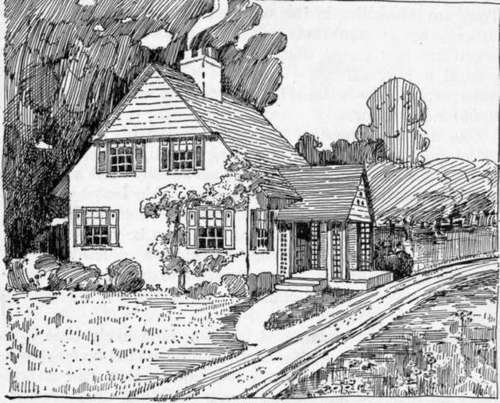
Fig. 12. - A modest farm cottage of good design.
Here, if anywhere, a little genuine design should be afforded. A portal is an intimate feature and should express dignity, hospitality, and beauty to all who enter. A natural-finish oak door with plate glass panel can hardly be considered appropriate for a decorative doorway, because it is out of keeping, both in material and color, with the remainder of the exterior.
Continue to:


My Books

