


Furniture Polishing Secrets
Description
This section is from the book "Things To Make In Your Home Workshop", by Arthur Wakeling. Also available from Amazon: Things to Make in Your Home Workshop.
Furniture Polishing Secrets
After a piece of old furniture has been oiled and waxed, the grain of the wood, especially in dark wood, may appear white. This is nothing to be discouraged over; it proves that the grain has been well filled with the wax, as should be the case.
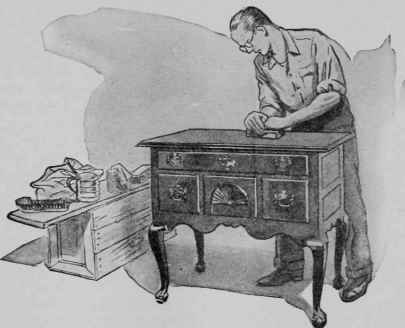
Fig. 24. - The final polish is given to the oiled and waxed top of a low boy with a rubbing block.
"White grain" is easily eliminated by rubbing the piece down with either raw or boiled linseed oil or with a good furniture polish. The use of a polish does not remove the wax from the grain.
There are also times when wood that has had undue exposure to the weather will look "sick" and lifeless after it is oiled. The life, or deep luster, which the wood should have, may be restored by a modification of the French polish.
To apply this polish, make a rubber (large enough not to cramp the hand) from cotton cloth and apply a good grade of clear varnish to the rubber with a small brush or swab as shown in Fig. 25. With the finger tips or a very small brush or swab, add a few drops of raw linseed oil to the center of the varnish already applied. Then rub the wood with a circular or across-the-grain stroke. Repeat the application of varnish and oil as often as necessary and rub well until a good coat of varnish has been applied. It will be noted that the fine color is returning to the wood because, with the aid of the oil, the varnish is being rubbed into the wood instead of onto it.
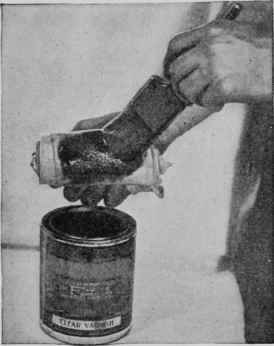
Fig. 25. - Applying clear varnish to a rubber made of cloth for use in a modified French polishing process.
When the color has been restored, time must be allowed for the varnish to dry, and the presence of the oil will probably prolong the process. When dry, the piece will appear cloudy because of the oil. This cloudiness may be removed by rubbing with wood or denatured alcohol.
If a dull rubbed natural wood finish is desired, the piece should be sandpapered with No. 0,or ½ sandpaper, then rubbed down well with No. 0 steel wool (this will remove some of the varnish but not the restored color), and waxed and rubbed as previously explained.
If a highly polished surface is desired, the polish is carried to a finish by sanding lightly with No. 00 sandpaper the first coat of oil and varnish, after the alcohol rub; then adding two or more coats in the same manner, treating all coats alike except the last, which is given only the alcohol treatment and a thorough rubbing with a good furniture polish or polishing oil.
The French polish does not change the color of the wood; it merely brings out the natural color and shows it to best advantage. In many instances, however, it is desired to make a walnut or mahogany piece darker to match other pieces with which it is to be used. This must be done with the first application of oil.
In using the penetrating wood dyes previously mentioned (brown mahogany is best for walnut and dark mahogany for mahogany; the other colors as recommended on the manufacturers' labels), add enough of the required color to the linseed oil, diluted as before, to give the wood the shade desired. Try it out on some unexposed part of the piece to be sure it is the right tone. Apply this colored oil as a first coat and the wood dye will dry in with the oil, imparting a permanent color which will take a rub finish. Carry out the finish as before.
Boiled linseed oil diluted with equal parts of turpentine is excellent for all wood except old curly maple, which it darkens too much. This is one wood on which gasoline or benzine should be used, in the proportions of one part linseed oil to three parts of the other. These liquids are highly inflammable.
A great number of antique pieces are found which have black spots and rings on their tops. Some would rather have these marks, while others will not allow them at all.
If it is desired to remove them, proceed in the usual way as far as the first coat of oil. After this is dry, use a cabinet scraper to scrape out the spots and enough of the surrounding surface so that the scraped places do not show as holes dug in the wood. Apply the diluted boiled oil frequently to the parts being scraped. After the spots are removed, apply the modified French polish described above to the places scraped, and finish as before.
Continue to:


My Books

